Open today from 10 AM – 5 PM


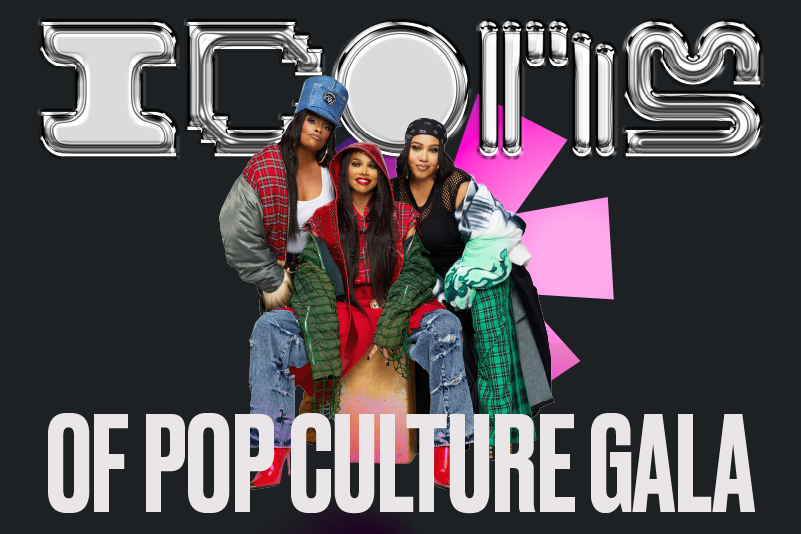
Salt-N-Pepa changed the trajectory of hip-hop. Their sharp lyricism, undeniable chemistry, and boundary-pushing style helped redefine who could take center stage. Now, they’re taking over Sky Church.
Get Your Tickets
A conversation with filmmaker Nate Barlow about preserving early fantasy cinema.
With 75% of silent films lost to time, every restoration project becomes a race against decay. We spoke with award-winning filmmaker Nate Barlow about the unique challenges of bringing L. Frank Baum's His Majesty, The Scarecrow of Oz back to audiences, and why these century-old fantasy films still matter in today's pop culture landscape.
The Race Against Time
Q: For people who love classic pop culture, what's the biggest challenge in restoring a 100+ year old silent film, and why does saving these early fantasy films matter?
Nate Barlow: There are two big challenges in restoring a 100+ year old silent film. One, not surprisingly, is money. A full restoration for a black-and-white silent film can easily cost $50,000 (let alone later color and sound films, which can run several hundred thousand). Even just the transfer of the elements, the most important stage from a preservation standpoint, since that at least "saves" the film even if restoration is financially unfeasible, runs several hundred dollars per reel, depending on the physical state of the nitrate. Sadly, most silent films that do survive are so obscure that they will never garner that financial support.
Oz, fortunately, is such a touchstone of popular culture, that the interest exists.
The second challenge is time. The nitrate will continue to degrade, even when stored in optimal conditions. Our window for saving these films is running out.
Discovering Baum's Vision
Q: What do you hope today's audiences will discover about His Majesty, The Scarecrow of Oz that connects to how we experience pop culture now?
Nate Barlow: I think one of the most important things people will discover watching His Majesty, The Scarecrow of Oz is that there was a world of Oz before MGM. Many people have heard of the books, or at least the first book, although sadly not so many have read them. But Scarecrow is unique in that it was the author's own filmic vision, something we don't often even see on screen for modern versions. Authors sometimes have input, but rarely control the production. L. Frank Baum was not the director of the Oz Film Manufacturing Company films (a common misconception), but as one of the four principals of the company, their works were indeed his films.
Guardians of Cinema History
Q: With 75% of silent films lost, what role do institutions like the Library of Congress play in keeping early pop culture alive?
Nate Barlow: Institutions like the Library of Congress are critical in the survival of early pop culture. At a bare minimum, they have the facilities for optimal storage. The volatility of nitrate involves extremely cold storage, and the Library has massive cold vaults of film with incredible safety precautions to preserve the other elements if a reel did indeed spontaneously combust. Since they do have the facilities, the Library also houses elements owned by other entities in the interest of preservation—not just those prints the Library owns. These institutions want to see these films saved, so I have found them welcoming and willing to work with people such as myself with an interest in making such preservation happen.
About Nate Barlow
Nate Barlow is an award-winning filmmaker, SAG AFTRA actor, and writer whose restoration of His Majesty, The Scarecrow of Oz premiered at CharlOz. His documentary Independent Spirits premiered in Scotland in March 2025 and is now available on Amazon Prime Video. The Water of Life played on PBS nationwide, and A Brief History of Hollywood has screened at 34 film festivals worldwide. A Carnegie Mellon graduate and former VP of New Media & Creative Executive at Automatic Pictures, Barlow continues to bridge classic cinema with contemporary audiences.


