Open today from 10 AM – 5 PM


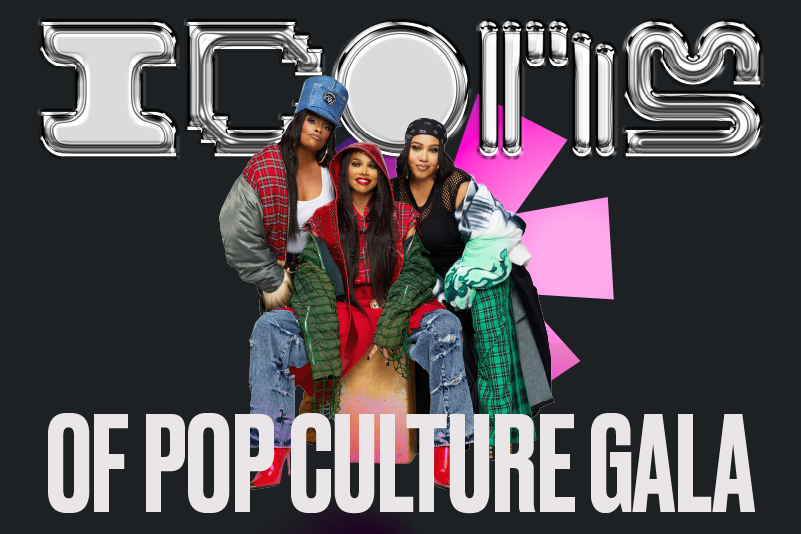
Salt-N-Pepa changed the trajectory of hip-hop. Their sharp lyricism, undeniable chemistry, and boundary-pushing style helped redefine who could take center stage. Now, they’re taking over Sky Church.
Get Your Tickets
From street style to high fashion, MOPOP’s new exhibition, Styled by the Streets: Black Women in Hip-Hop Fashion, explores how personal expression becomes cultural influence, spotlighting more than 30 artifacts and images from artists including Cardi B, Doja Cat, and Mary J. Blige. We sat down with co-curator Dr. Sharon Kong-Perring to talk about the inspiration behind the exhibition, the stories woven into its artifacts and design, and why this spotlight on Black women visionaries is long overdue.
Talk to us about the inspiration behind Styled by the Streets. Was there a particular idea, artist, or look that started it all? Co-curator, Dr. Adeerya Johnson and I began by looking at the genre of Hip-Hop and its fashion writ large. We quickly had the realization that scholarship, imagery, galleries, and museums largely focused on men, covering their musical and fashion contributions. Immediately we realized that there was both a timely and necessary conversation to be had here. Black women in Hip-Hop have long been the trailblazers of iconic fashions, and while musical artists have received some of the spotlight, they have not nearly been platformed to the extent of their men counterparts. Beyond that, the creators of these fashions, like designers, stylists, and creators, rarely receive the universal recognition of creation.
What does fashion tell us about the history and evolution of Hip-Hop beyond music? Suzette Boozer, a stylist featured in our gallery film, observed that artists in Hip-Hop first embrace the fashions and styles they know from their communities. And as they progress in the industry, their fashions evolve to embrace the glitz and glamor of Hollywood, incorporating high fashion into their looks. I think this trajectory perfectly describes the history and evolution of Hip-Hop as well; the genre's inception was deeply rooted in community and the neighborhoods of these artists, and the styles reflected that. As Hip-Hop grew into a behemoth of music, the genre's artists played with more abstract fashion moments that drew from fine art and high fashion. In both cases, Hip-Hop's styling, whether more down to earth or high fashion, audiences quickly adapt Hip-Hop style into everyday fashions.
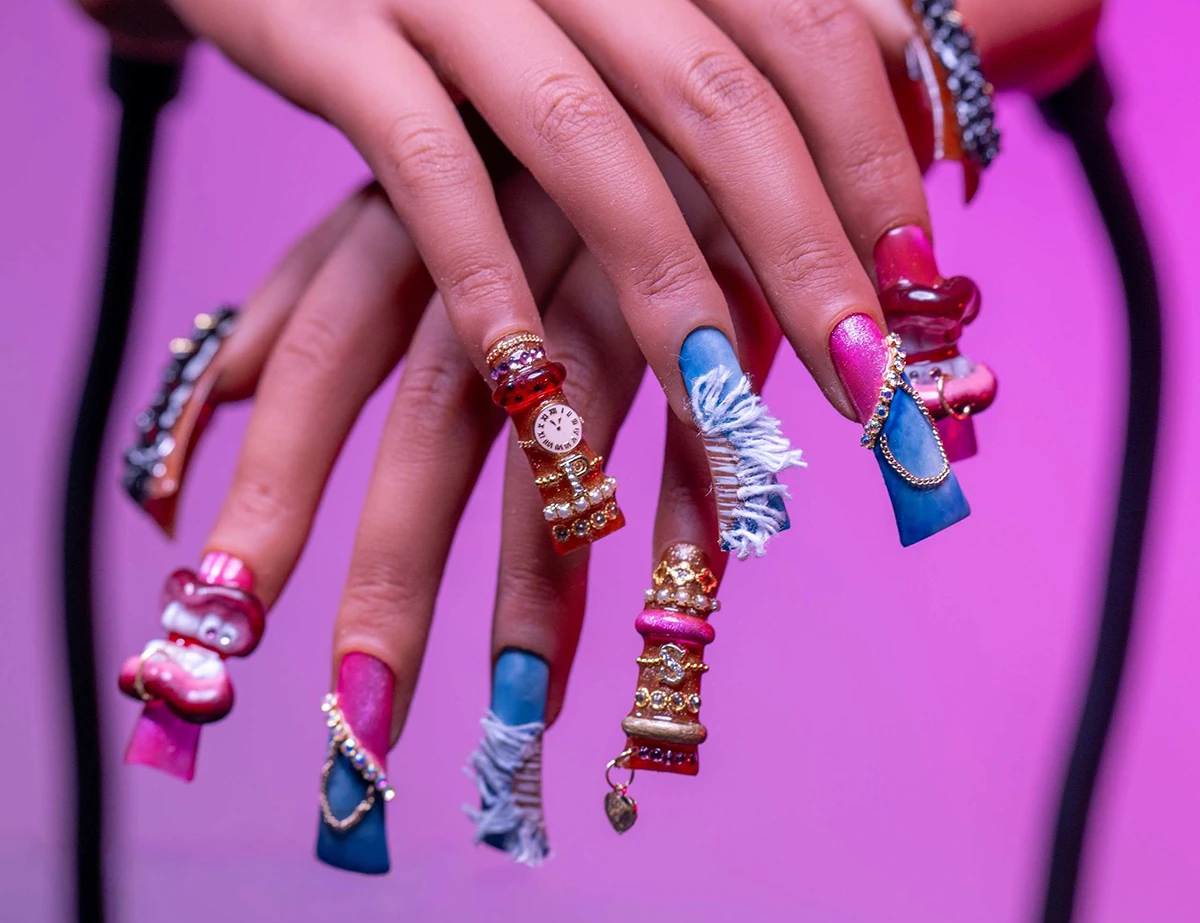
The exhibition features more than 30 artifacts and images connected to artists including Cardi B, Doja Cat, and Mary J. Blige. How did you approach selecting the pieces that would tell this story? For this exhibition in particular, it was important to us that visitors saw both the end product, like the costuming of Cardi B, as well as the creative process that goes into crafting that style. Many of the artifacts were meticulously selected to reflect the women creators who make the icons possible. Leveraging both our permanent collection and seeking to add to our collection by collaborating with these creators, we created a cohesive canvas of craft. We display every aspect of style, quite literally from head to toe, from wigs to sneakers.
Were there any particular artifacts that surprised or excited you while developing the exhibition? What makes them especially significant? For me, I was incredibly excited about displaying grillz in the gallery. It provides the perfect opportunity to discuss how street style turns into high fashion and then gets cycled back into fashion meant for mass audience appeal. Mel Grillz, the mother/daughter duo we worked with to commission a piece for this exhibition, discuss in our film how grillz were often demeaned in their early days because of their street origins. But now, audiences see grillz at the Met Gala. And even further tooth gems can be seen as the pop culture heirs to grillz.
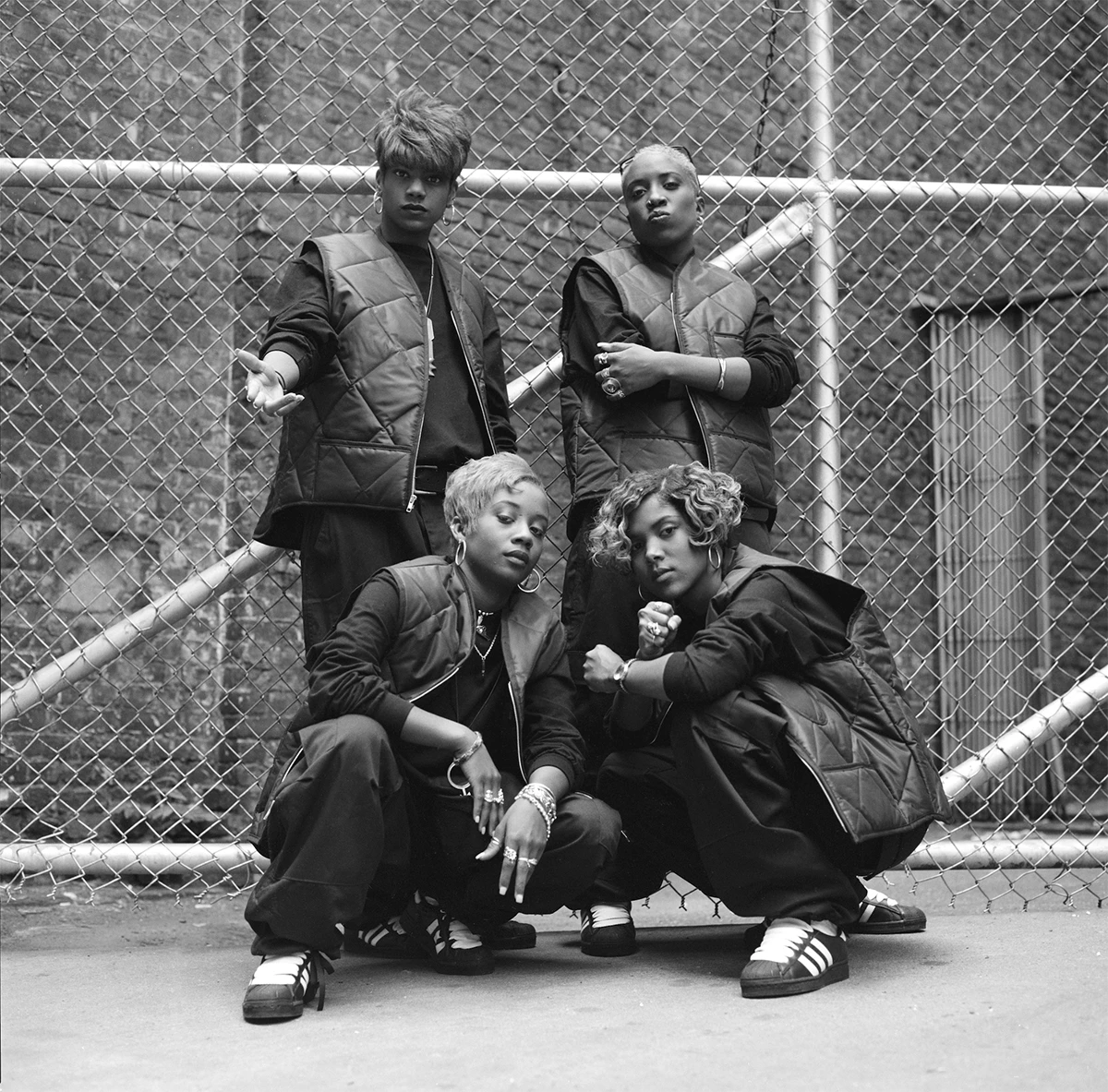
Fashion is often personal, but it can also become cultural. Was there a moment in the research when you saw that shift happening? This was definitely a reoccurring theme in all of our research. Personal fashion often stems from cultural and community moments; they inform one another constantly. Personal style from these music artists and stylists were a reflection of community cultures, and then eventually that style created a new culture unto itself: Hip-Hop.
Can you give us a sneak peek at what the design of the exhibition will look like? While many of the artifacts on display are contemporary, the design leaned into a seminal era in Hip-Hop: the '90s to Y2K. Our design intent was to model the gallery after a young, Black girl's bedroom in those decades. She is seeing this moment in history, of women who look like her, creating fashion moments that fans love and replicate. So, expect a lot of denim, sparkles, pink, chrome, and tones that complement the skin tones of the women represented in the gallery.
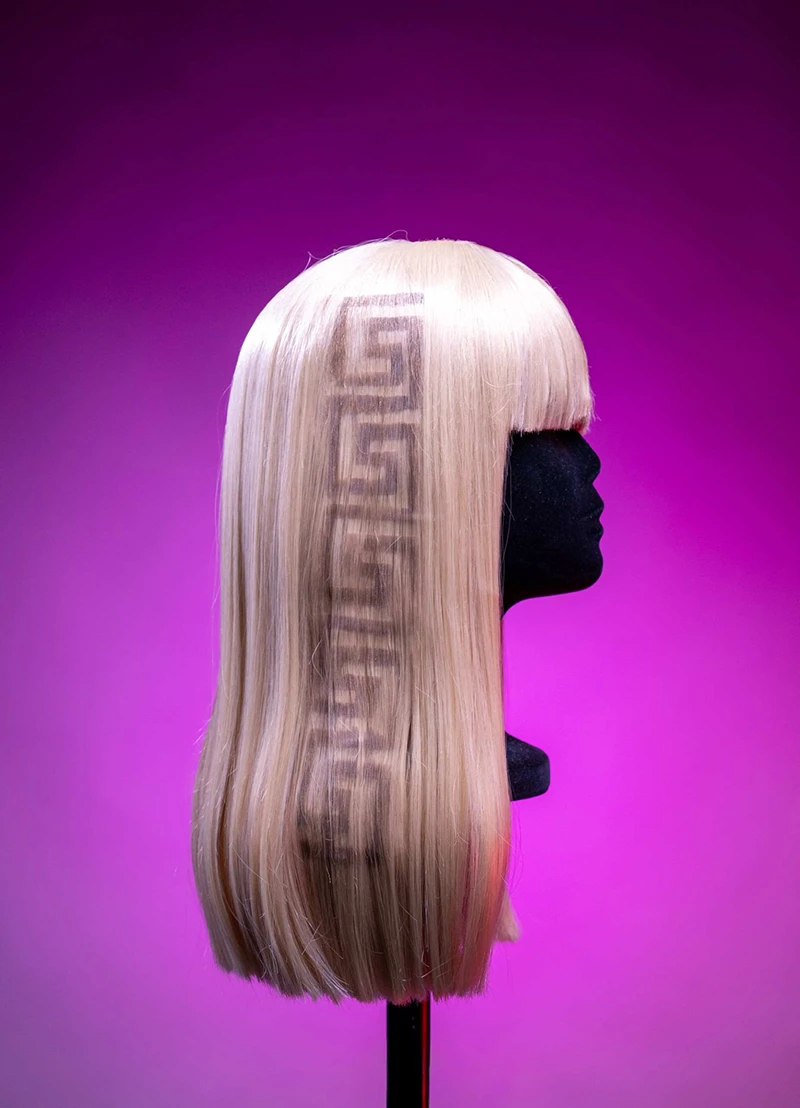
Do you have a favorite design element or detail that guests should look out for? As a big fan of Kimora Lee, I particularly love the rhinestone sparkle accents that are a reoccurring theme of the gallery. For those familiar with her brand Baby Phat, you may see some design details that are inspired by Lee's work. Dr. Johnson and I also wanted to highlight elements of Black girlhood, centering details that are seminal in growing up. Be on the lookout for "Easter Eggs" like BoBos and bamboo earring motifs.
There are so many different eras and styles represented here. How did you create a sense of connection between them? The overlying narrative of this entire exhibition is that of a love letter to Black women creators and musicians in Hip-Hop. While the artifacts and design of the gallery cover a wide swath of time and design styles, it is, overall, an homage to the styles that Black women are the architects of — but are rarely platformed as such.
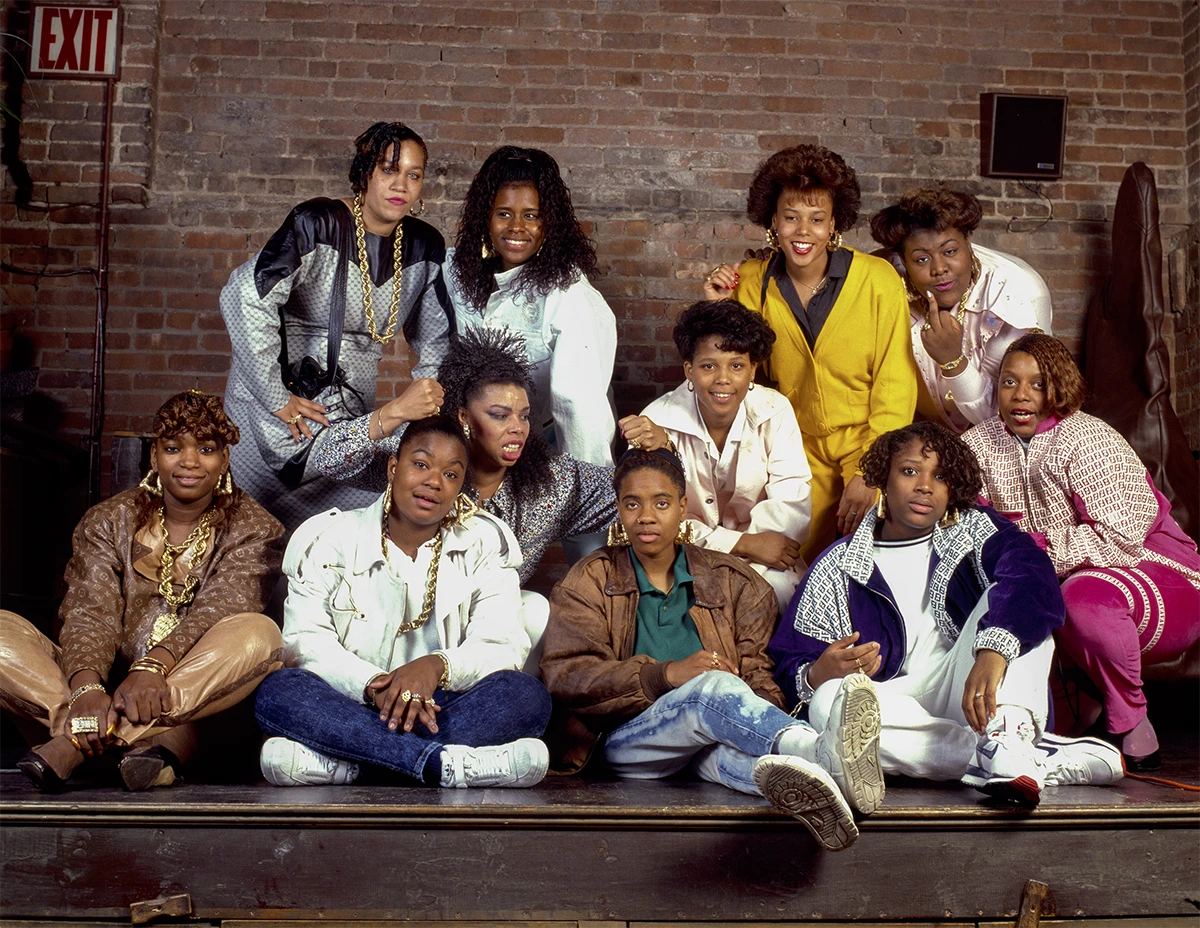
Black women have always been at the forefront of shaping culture, even when they haven’t always received credit for it. What does it mean to create a space that centers their influence? It is a spotlight that is long overdue. Our vision as an organization is that of a world where everyone recognizes and wields their cultural power, and while Black women have always recognized that power, the world needs to catch up. This exhibition is an entry point for many, to join us in such an awaited celebration.
When you think about the exhibition as a whole, what part are you most proud of? I am most proud of how our design and content — embracing girlhood, womanhood, and joy — is getting a place in a museum institution. Too long have the elements featured in this show been considered "not good enough" or "not sophisticated enough" to warrant space in cultural spaces. But we've carved a space to celebrate.

Want to see the exhibition for yourself? Styled by the Streets is now open—plan your visit today!


