From Dorothy's dress to Jimi Hendrix's handwritten lyrics, plan your visit to MOPOP to explore 10+ exhibitions, 80,000+ artifacts in collection, and a multiverse of programs.
Get TicketsMOPOP’s 2026 Science Fiction & Fantasy Hall of Fame (SFFHOF)
Voting for the 2026 Science Fiction & Fantasy Hall of Fame is now closed. Check back soon to learn which creator and creation will take their place among the greatest storytellers and world-builders of all time.

Kiernan writes the places genre fiction is afraid to go. A trained paleontologist turned master of dark fantasy and literary horror, their work, including the novels The Red Tree and The Drowning Girl and years of groundbreaking comics writing on Sandman Mystery Theatre, dissolves the line between the beautiful and the terrifying, the mythic and the deeply personal. Every sentence dares you to look closer and keep reading.

Nobody makes you feel the way Cronenberg makes you feel. The Canadian visionary behind Videodrome, The Fly, Naked Lunch, and A History of Violence turned the human body into cinema's most unsettling landscape, exploring technology, desire, and transformation in ways that are as intellectually alive as they are viscerally unforgettable. He didn't invent body horror. He gave it a conscience.

Liu Cixin didn't just expand science fiction. He moved the center of it. China's most celebrated sci-fi author brought a cosmic scale to storytelling that left readers permanently rearranged, imagining civilizations across millennia and universes indifferent to human survival. The Three-Body Problem, first in his Remembrance of Earth's Past trilogy, made the whole world stop and stare at the stars, and earned him the Hugo Award for Best Novel in 2015.

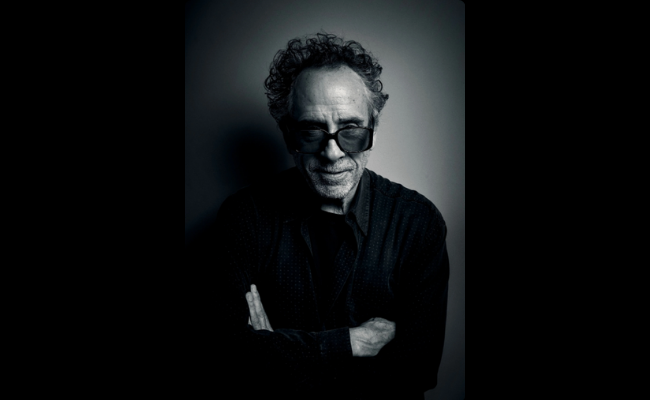
Burton built a world you'd recognize anywhere: gothic, tender, a little sad, and wildly alive. From Beetlejuice to Edward Scissorhands to Batman, Pee-wee's Big Adventure to The Nightmare Before Christmas, his films gave a generation of outsiders permission to see themselves as the hero. Nobody stages a nightmare like a fairy tale quite like Tim Burton.

Few writers have mapped the full terrain of human experience across so many genres so fearlessly. Bujold has won more Hugo Awards than almost anyone in the history of science fiction, crafting space operas like the beloved Vorkosigan Saga, epic fantasies like The Curse of Chalion, and intimate character studies with equal brilliance. Her work asks what it means to be a person in impossible circumstances, and somehow always finds an answer worth believing in.

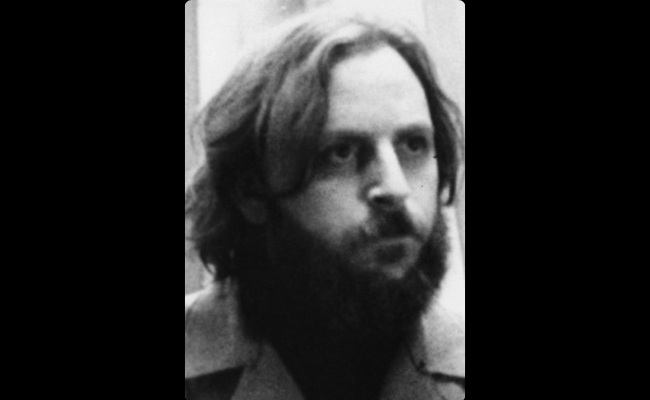
Before Alien, horror in space was a subgenre. After it, nothing was ever quite the same. O'Bannon was a writer and director whose imagination reached places mainstream Hollywood refused to go, co-writing Alien with Ronald Shusett and writing and directing Return of the Living Dead, helping birth two of genre cinema's most enduring icons: the xenomorph and the modern zombie. The ideas he put on the page are still haunting us.

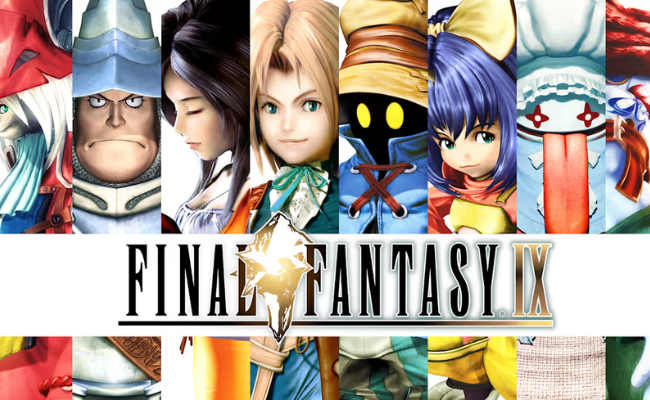
Named as a last resort, Final Fantasy became one of the longest-running and most beloved RPG series in history. Each entry reinvents itself, from the medieval origins of the original NES title to the operatic tragedy of Final Fantasy VI, the era-defining blockbuster of Final Fantasy VII, and the cinematic ambition of Final Fantasy XVI. What stays constant is the sweeping scores, the commitment to emotional storytelling that rivals any film, and the refusal to play it safe. Square Enix keeps changing the game. Literally.

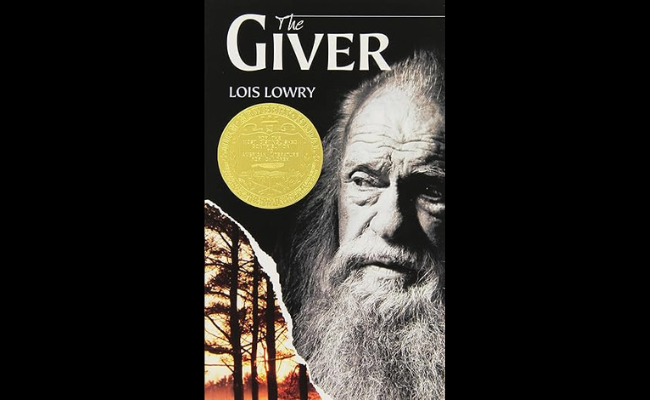
Lowry gave middle schoolers one of the most quietly devastating questions in all of literature: what do we lose when we eliminate pain? Published in 1993 and winner of the Newbery Medal, The Giver imagined a society scrubbed of memory, color, and choice, and put a twelve-year-old named Jonas in the center of its unraveling. It's been challenged and banned almost since it hit shelves. It keeps finding new readers anyway.

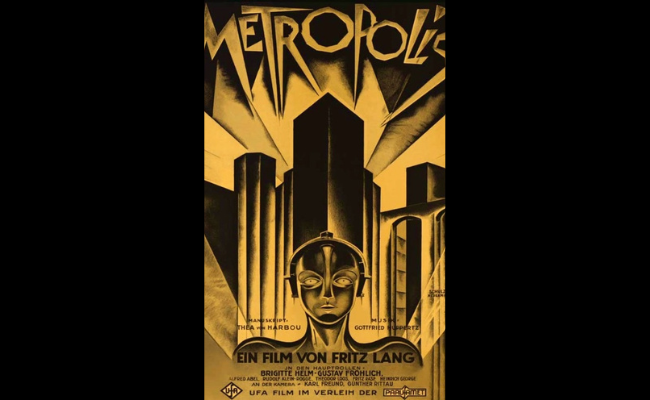
Nearly a century old and still ahead of its time. Fritz Lang's silent masterpiece imagined a future of towering cities, exploited workers, and a robot built in a woman's image to deceive the masses. Alongside collaborators including screenwriter Thea von Harbou, Lang created a film that didn't just influence science fiction. It invented the visual grammar that genre film is still writing in today.

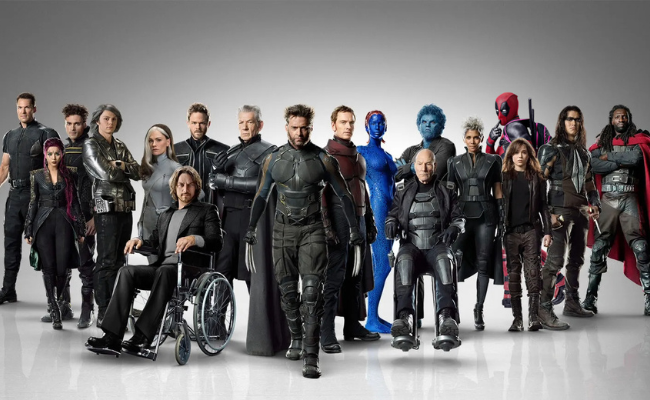
Born in 1963 as a Stan Lee and Jack Kirby story about prejudice and belonging, the X-Men became one of the most durable metaphors in popular culture. Mutants as the marginalized. Professors and soldiers. Chosen family built from people the world rejected. Across decades of comics, the landmark 90s animated series, and a film franchise that launched with Bryan Singer's X-Men in 2000, the franchise keeps asking the same urgent question: who gets to be considered human?

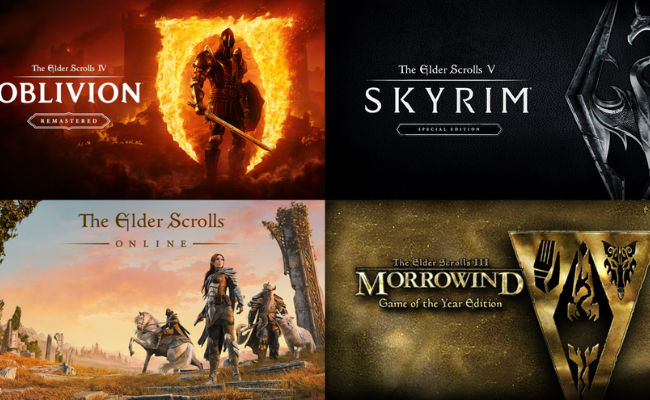
Few fictional worlds have pulled players in as completely as Tamriel. The Elder Scrolls series doesn't just give you a story. It hands you a civilization with thousands of years of history and says: explore. From the early days of Arena and Daggerfall through Morrowind, Oblivion, and the cultural phenomenon that is Skyrim, it's the gold standard for world-building in games, proof that the best fantasy makes you believe every corner of the map has something worth finding.

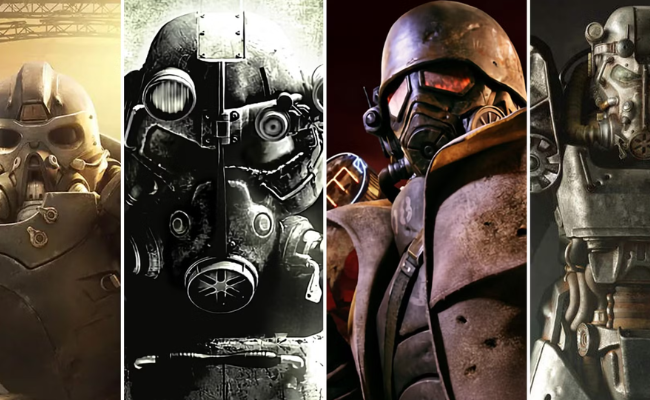
The bombs dropped. The world ended. And somehow, it got weird from there. Spanning titles from the original 1997 RPG through Fallout 3, New Vegas, 4, and 76, the Fallout franchise has spent decades turning post-apocalyptic dread into something darkly hilarious and deeply human, building one of gaming's most fully realized alternate universes out of retrofuturism, moral complexity, and an absolutely incredible soundtrack. War never changes. Neither does our obsession with this series.
Voting is now closed for 2026. Check back soon to find out who won!
Want to get notified about all things SFFHOF and find out about other MOPOP programs? Enter your email to stay in the know.
The Science Fiction and Fantasy Hall of Fame (SFFHOF) invites visitors to explore the lives and legacies of current inductees through interpretive films, interactive kiosks, and more than 30 artifacts.
Founded in 1996, the Hall of Fame was relocated to its permanent home at the Museum of Pop Culture in 2004. The final inductees are nominated by the public and chosen by an expert panel of MOPOP staff.